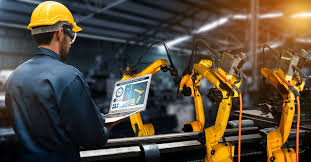
What Does A Manufacturing Business Do?
“Manufacturing” is an industrial word that means processing resources into a usable output. A manufacturing business converts inputs (raw materials, components, or parts) into finished goods using capital, human, and material resources (machinery, tools, and chemicals). These businesses are responsible for processing raw materials or natural resources into tangible products that make up our lifestyle. These products are either sold directly to consumers or other manufacturers. For example, producers of steel sell to vehicle producers.
Challenges in the African Manufacturing Industry
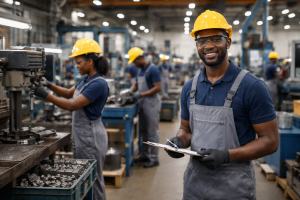
According to Esg Africa;
- Supply Chain & Logistics Disruptions
Ongoing global supply chain disruptions, rising freight costs, and poor infrastructure continue to create bottlenecks for African manufacturers. Transport inefficiencies, especially in landlocked regions, drive up production costs and reduce competitiveness. - Energy Supply & Costs
Unreliable electricity and escalating energy costs remain major obstacles for manufacturers across the continent. While renewable energy solutions are gaining traction, the high initial investment required for alternative power sources presents a barrier for many businesses. - Access to Finance & Investment
Limited access to affordable financing prevents many manufacturers particularly small and medium-sized enterprises (SMEs) from expanding operations or adopting modern technologies. Attracting local and foreign investment is crucial for industrial growth. - Trade Barriers & AfCFTA Implementation
The African Continental Free Trade Area (AfCFTA) presents significant opportunities for intra-African trade, but inconsistent regulations, bureaucracy, and tariff barriers continue to hinder seamless implementation. Accelerating AfCFTA’s full rollout is vital to boosting regional manufacturing. - Skills Shortages & Workforce Development
The demand for skilled labour in manufacturing outpaces supply, particularly in technical and digital fields. As automation and Industry 4.0 technologies reshape the sector, upskilling the workforce is imperative for long-term growth. - Technology & Industry 4.0 Adoption
The slow adoption of automation, smart manufacturing, and digital transformation limits productivity and global competitiveness. Many African manufacturers still rely on outdated machinery, reducing efficiency and output quality. - Climate Change & Sustainability Pressures
With increasing global pressure for greener production methods, African manufacturers must transition toward sustainable and environmentally friendly practices. Regulatory changes, such as carbon taxes and stricter environmental laws, add financial and operational challenges. - Political & Economic Instability
Economic volatility, inflation, and political uncertainty in some African countries create an unpredictable business environment, discouraging long-term investment in manufacturing. Policy stability and investment-friendly frameworks are crucial for industrial growth. - Competition from Imports & Counterfeit Goods
Local manufacturers face stiff competition from cheap imports, particularly from Asia, which undercuts pricing and market share. The rise of counterfeit goods also threatens the credibility of African-made products. - Access to Local Raw Materials & Value Addition: Despite Africa’s rich natural resources, a significant portion of raw materials are exported with minimal local processing. Developing value-addition industries will be key to reducing dependence on imports and creating more jobs.
Conclusion
Building a successful manufacturing business in Africa can be an overwhelming experience. However, by understanding the challenges, entrepreneurs can prepare themselves to wield these challenges and build sustainable businesses in Africa. You can learn to position yourself to overcome these problems by joining our 3-months training for manufacturers, where we connect growing manufacturers to established founders and manufacturers to teach principles from their life experiences. Visit www.joinmbsafrica.com to join the waitlist.